

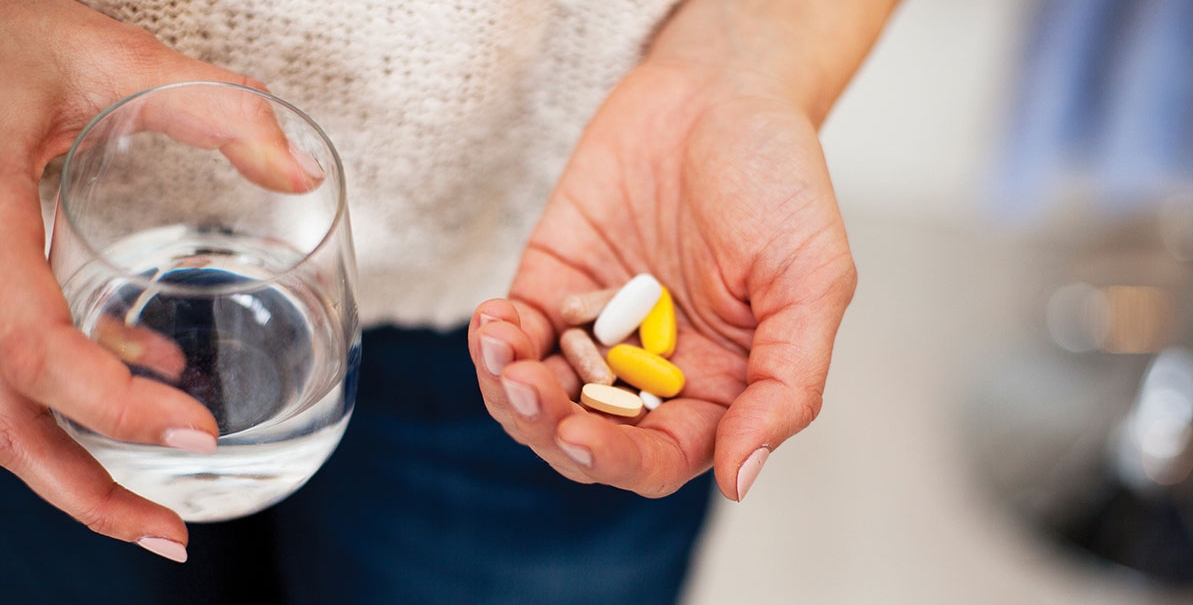
You are probably wasting your money on vitamins.
You wake up, swallow a handful of colorful capsules with your morning coffee, and cross “get healthy” off your to-do list. But inside your gut, a silent turf war is happening. Because you took them all at once, your body is flushing most of those expensive nutrients straight down the toilet.
The internet loves to give generic advice about the “best time to take vitamins.” But the truth is, popping a pill at the wrong hour—or pairing it with the wrong food—can completely deactivate its benefits. If you want your supplements to actually work, you need to stop guessing.
Let’s dismantle the myths and look at the real, science-backed schedule your body desperately needs.
The Morning Ritual: Waking Up Your Cells
Not all vitamins are created equal. Some act as natural spark plugs for your cellular energy, while others require a completely empty stomach to pierce through the digestive tract.
The Energy Spark: Vitamin B-Complex & Vitamin C
Taking a B-complex or Vitamin B3 at night is a classic mistake—unless you enjoy staring at the ceiling at 2:00 AM. B vitamins are fundamental to energy production and cellular metabolism. Taking them in the morning on an empty stomach allows for rapid absorption without competing nutrients getting in the way, setting an energetic baseline for your day.
Pair this with Vitamin C. As a water-soluble antioxidant, Vitamin C supports immune function and provides a clean morning energy lift. Because it doesn’t rely on dietary fats to dissolve, a simple glass of water is all it needs to get to work.
The Empty Stomach Gatekeeper: Zinc
Zinc is highly effective for immune resilience, but it is notoriously finicky. If you take zinc with a heavy meal, plant compounds called phytates (found in whole grains and legumes) will bind to it, rendering it useless. Taking zinc before meals ensures maximum bioavailability, though if you have a sensitive stomach, a small, low-phytate snack can prevent nausea.
The Midday Fuel: Maximizing Mid-Meal Synergy
Lunchtime is the ultimate sweet spot for heavy-hitting nutrients that require a vehicle—specifically dietary fats—to cross into your bloodstream.
The Dynamic Duo: Iron and Omega-3 Fatty Acids
The viral infographic tells you to take iron after lunch to reduce stomach upset. That is true for comfort, but here is the hidden trick: never take iron with coffee or tea. The polyphenols and tannins in your midday brew will block iron absorption by up to 90%. Instead, take your iron after lunch alongside that morning Vitamin C, which dramatically enhances iron absorption.
Simultaneously, drop your Omega-3 fish oil capsules here. Omega-3s require pancreatic enzymes that are triggered by dietary fats to break down. Taking them with a balanced lunch ensures zero fishy aftertaste and maximum absorption for your heart and brain.
The Beauty Booster: Biotin (B7)
While standard B vitamins prefer an empty stomach, Biotin (Vitamin B7) thrives when taken with meals. It works in tandem with the macronutrients from your lunch to synthesize proteins, directly fueling the structural integrity of your hair, skin, and nails.
The Afternoon Dynamic: Sun Absorption and Bone Density
As the day begins to wind down, your body shifts its metabolic focus toward structural maintenance and bone density.
Vitamin D—The Hormone Mimicker
Vitamin D isn’t actually a vitamin; it’s a pro-hormone. Because your body naturally synthesizes it from sunlight, taking it late at night can disrupt your circadian rhythm and suppress melatonin production. The optimal window is right after a fat-rich afternoon snack or late lunch. Since it is strictly fat-soluble, pairing it with healthy fats like avocado or nuts unlocks its full potency.
The Nighttime Reset: Muscle and Mind Relaxation
Your body does its heavy repairing while you sleep. Feeding it the right minerals before bed accelerates recovery.
The Ultimate Evening Anchor: Magnesium
If you take only one thing before bed, make it magnesium. It actively blocks cortisol (the stress hormone) and relaxes the nervous system, preparing your body for deep, restorative REM sleep. Taking it 30 to 60 minutes before bedtime ensures you wake up feeling recovered rather than groggy.
Conclusion: Stop Guessing, Start Timing
Your supplement routine shouldn’t be a guessing game. By separating your water-soluble morning energizers from your fat-soluble midday nutrients and anchoring your evening with relaxation minerals, you transform your wellness routine from expensive waste into absolute biological fuel. Listen to your metabolism, time your doses correctly, and let your supplements finally do the job they were hired for.
Frequently Asked Questions (FAQs)
Q: Can I take iron and zinc together?
A: No. Iron and zinc compete for the exact same pathways in your digestive tract. If taken simultaneously, they will crowd each other out. Keep Zinc before meals and Iron after meals to avoid this cellular traffic jam.
Q: What happens if I take fat-soluble vitamins (A, D, E, K) without food?
A: Without dietary fats to dissolve them, your body can not absorb them efficiently. They will simply pass through your digestive system unutilized, wasting the supplement entirely.
Informative