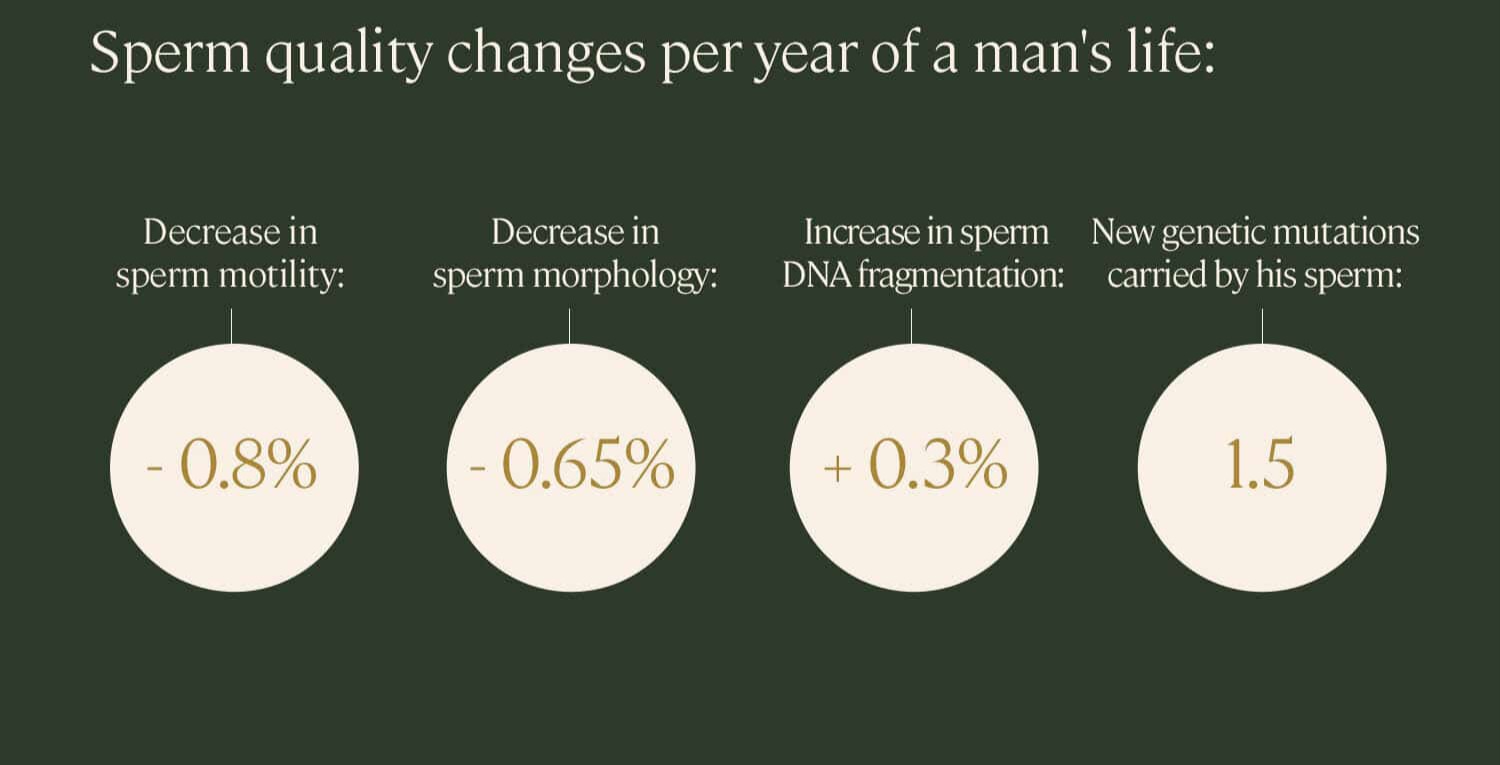

Most conversations about male fertility focus entirely on what to avoid—tight underwear, hot tubs, and stress. But what if the real breakthrough isn’t about what you eliminate, but what you actively feed your body?
Sperm cells are biological marvels. They are the only cells in the human body designed to leave it and survive in a completely foreign environment. To accomplish this, they require a massive amount of metabolic energy and highly specific structural protection.
If you are looking to optimize reproductive health naturally, four powerhouse vitamins act as the ultimate biological defence system and fuel for your cells. Here is the clinical breakdown of how they work and where to find them.
1. Vitamin C: The Oxidative Shield
Sperm cells are highly vulnerable to oxidative stress. Environmental toxins, poor diet, and natural ageing create free radicals—unstable molecules that can damage the cellular structure and DNA cargo of the cell.
How It Works
Vitamin C is a potent, water-soluble antioxidant. It concentrates heavily in seminal plasma, acting as a literal shield. By neutralizing free radicals, Vitamin C protects the delicate genetic material inside the cell head. Clinical observation shows that maintaining robust Vitamin C levels directly correlates with improvements in overall cell count and structural quality.
Optimal Food Sources
Oranges: The classic, bioavailable source of ascorbic acid.
Kiwi: Ounce for ounce, kiwi actually surpasses many citrus fruits in Vitamin C density while offering supportive enzymes.
2. Vitamin E: The Membrane Guardian
While Vitamin C protects the internal environment, Vitamin E is responsible for defending the outer boundaries.
How It Works
Sperm cells feature a unique lipid membrane that must remain highly fluid and flexible to travel efficiently. Vitamin E is a fat-soluble antioxidant that integrates directly into these cellular membranes. It prevents lipid peroxidation (the degradation of cellular fats by free radicals), which preserves membrane integrity. This protection directly translates to superior motility—the cell’s swimming capability.
Optimal Food Sources
• Almonds: Packed with alpha-tocopherol (the most active form of Vitamin E) and healthy fats that aid absorption.
• Sunflower Seeds: A highly concentrated source of vitamin E and vital trace minerals like selenium.
3. Vitamin D: The Hormonal Catalyst
Though historically categorized as a vitamin, Vitamin D functions fundamentally as a pro-hormone in the human body.
How It Works
The receptors for Vitamin D are located right on the smooth muscle of the male reproductive tract and within the cells themselves. Vitamin D acts as a master regulator, directly influencing Leydig cells to optimize testosterone synthesis. Higher systemic levels of Vitamin D are consistently linked to robust testosterone production and smoother, more consistent cellular maturation phases.
Optimal Food Sources
• Whole Eggs: Specifically, the yolk, which contains vitamin D3 alongside essential fatty acids.
• Salmon: Wild-caught salmon provides both a heavy dose of Vitamin D and Omega-3 fatty acids, which further assist cellular health.
4. Folate (Vitamin B9): The DNA Architect
When it comes to building a brand-new cell from scratch, the body relies completely on Vitamin B9 to get the genetic code exactly right.
How It Works
Folate is the primary coenzyme driving nucleic acid synthesis and DNA methylation. Without adequate folate, cellular division slows down, and the risk of genetic replication errors increases. Ensuring high folate intake supports pristine DNA formation, drastically reducing the occurrence of structural abnormalities and ensuring the overall quality of the cellular population.
Optimal Food Sources
• Spinach: A dark leafy green powerhouse rich in natural, highly bioavailable folate.
• Broccoli: Delivers a synergistic blend of folate and sulforaphane, which aids liver detoxification and hormonal balance.
Conclusion: Consistency Over Synthesis
While synthetic supplements have their place, getting these micronutrients naturally from whole foods ensures your body receives them alongside crucial cofactors, healthy fats, and enzymes that maximize bioavailability prioritizing a diet rich in these four targeted nutrients provides your reproductive system with the exact raw materials required for structural integrity, genetic accuracy, and peak performance.
Frequently Asked Questions (FAQs)
Q: Can I get these benefits just from taking a multivitamin pill instead of eating these foods?
A: While targeted supplements can fill nutritional gaps, whole foods are vastly superior. Foods like salmon, almonds, and spinach contain crucial co-factors, healthy lipids, and minerals that significantly enhance the absorption and utilization of these vitamins within the body.
Q: How long does it take for dietary changes to reflect in cellular health?
A: The entire cycle of sperm development (spermatogenesis) takes approximately 64 to 74 days. Therefore, nutritional and lifestyle adjustments typically take about two to three months to show measurable improvements in quality and count.