

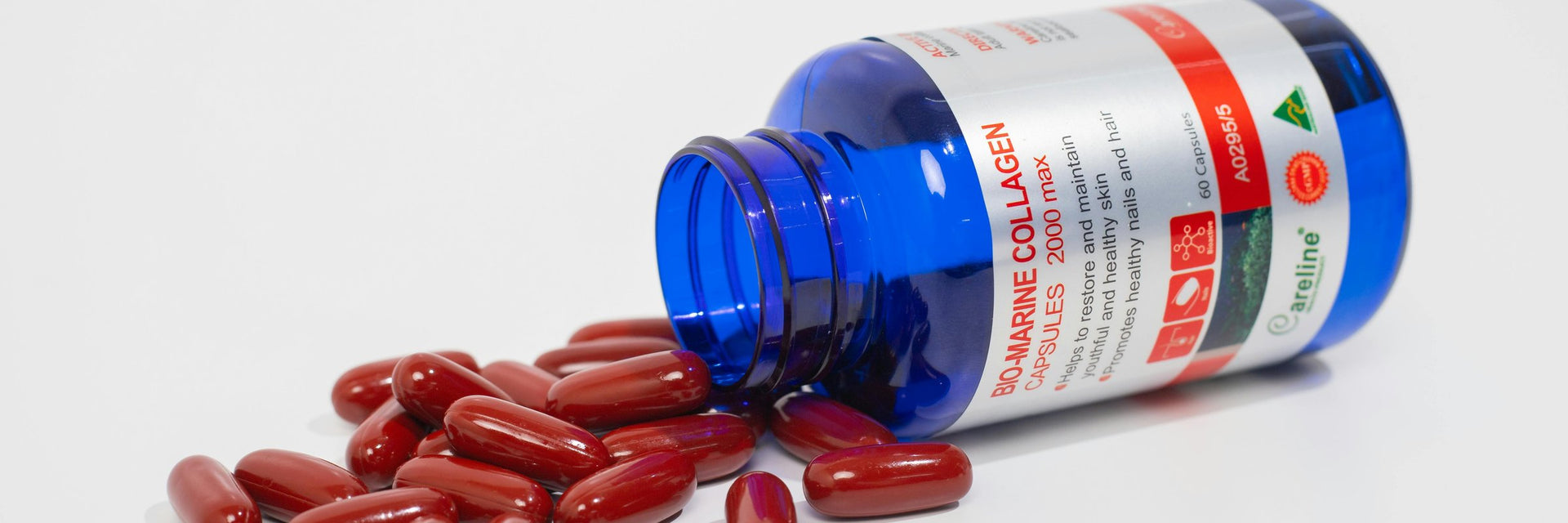
When most people think of collagen, they picture high-end anti-aging creams or influencers promoting “youthful skin” secrets. It’s often marketed as a cosmetic luxury—something to fix fine lines or give you that “dream body” aesthetic. While collagen is indeed the holy grail of skincare, focusing only on the surface is like appreciating a skyscraper for its paint while ignoring the steel beams holding it up.
Collagen is not just a beauty supplement; it is the most abundant protein in your body. It acts as the literal glue (the word comes from the Greek kolla, meaning glue) that provides structure to almost every tissue you possess. As we move through 2026, science has become clearer than ever: optimizing your collagen levels is a fundamental pillar of long-term health and longevity.
What is Collagen? Understanding Your Body’s “Glue”
To understand the benefits of collagen, you first need to know what it is. At its core, collagen is a structural protein made of amino acids—specifically glycine, proline, and hydroxyproline. These amino acids wind together to form triple-helix fibrils that are incredibly strong and resilient.
Your body naturally produces collagen, but there is a catch. Starting in your mid-20s, production begins to drop by about 1% to 1.5% every year. By the time you reach middle age, your “collagen bank” is significantly depleted. This depletion manifests as more than just wrinkles; it shows up as stiff joints, fragile bones, and even digestive issues.
15 Science-Backed Benefits of Collagen You Need to Know
While “Skin Aging” is what people think it does, the list of what it also does is much more extensive. Here is a deep dive into the internal transformations triggered by this powerhouse protein.
1. Joint Longevity and Bone Strength
Your cartilage is the rubbery tissue that cushions your joints. It is largely made of collagen. Supplementing has been shown to reduce joint pain and inflammation, particularly for those suffering from arthritis. Furthermore, while calcium gets all the credit for bone health, collagen provides the framework that keeps bones flexible enough to resist fractures.
2. Cardiovascular Health and Arterial Repair
This is one of the most overlooked benefits. Your arteries—the vessels that carry blood from your heart—require collagen to remain flexible and strong. Without sufficient collagen, arteries can become stiff and narrow (atherosclerosis), which increases the risk of heart attack and stroke. Collagen essentially “repairs” the structural integrity of your vascular system.
3. Gut Lining and Digestive Health
If you struggle with bloating or food sensitivities, the “Repairs Gut Lining” benefit is a game-changer. Your intestinal lining is made of tiny folds that can become “leaky.” Collagen contains amino acids like glutamine that help seal these gaps, supporting a healthy gut-blood barrier and improving overall nutrient absorption.
4. Metabolic Balance and Liver Function
Collagen plays a surprising role in detoxification. It helps balance methionine, an amino acid found in heavy meat diets that can cause inflammation if not properly processed. The glycine in collagen supports the liver in neutralizing toxins and promotes healthy metabolic function, ensuring your internal “filter” is working at 100% capacity.
5. Vision, Hair, and Nail Growth
The cornea of your eye is primarily collagen. Maintaining these levels helps protect your vision as you age. Additionally, collagen provides the building blocks for keratin, the protein that makes up your hair and nails. If you’ve noticed your nails are brittle or your hair is thinning, a collagen deficiency might be the hidden culprit.
Maximizing Retention: How to Boost Your Collagen Naturally
Understanding the benefits is only half the battle; the other half is implementation. To ensure your body actually utilizes the collagen you ingest, you need a synergistic approach.
1. Vitamin C is Non-Negotiable: Your body can not physically produce collagen without Vitamin C. Think of it as the “on-switch” for the entire process.
2. Watch the Sugar: High sugar intake causes a process called glycation, where sugar molecules attach to collagen and weaken it, leading to “brittle” skin and joints.
3. Prioritize Bioavailability: Whether you use bone broth or hydrolyzed collagen peptides, ensure the source is high-quality and easily absorbed by the gut.
Conclusion: A Foundation for Longevity
The shift from viewing collagen as a “beauty product” to a “structural necessity” is a vital step in any wellness journey. While the external benefits—like reduced wrinkles and a “glow-up”—are fantastic perks, the true value lies in the invisible repairs happening within your arteries, your gut, and your joints. By investing in your collagen levels today, you aren’t just looking better; you are building a more resilient, durable version of yourself from the inside out.
Frequently Asked Questions (FAQs)
1. How long does it take to see the benefits of collagen?
Most clinical studies suggest that skin hydration and elasticity improvements appear within 4 to 8 weeks. However, structural changes like joint repair and bone density support typically take 3 to 6 months of consistent intake.
2. Can I get enough collagen from food alone?
While bone broth and organ meats are excellent sources, the modern diet is often low in these traditional foods. For many, a high-quality hydrolyzed collagen supplement is an efficient way to ensure they hit the necessary amino acid profiles daily.
3. Does collagen help with muscle growth?
Yes. Collagen contains glycine and arginine, which are precursors to creatine. While it isn’t as high in BCAAs as whey protein, it is excellent for supporting muscle recovery and protecting the connective tissues that allow muscles to grow safely.