

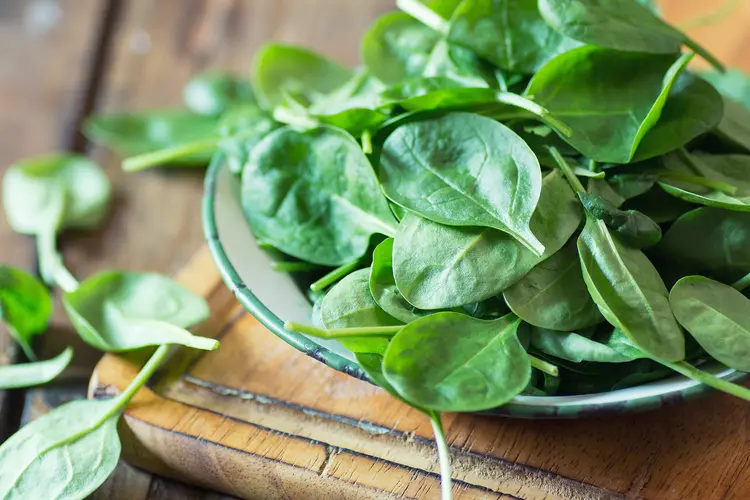
Spinach is a nutritional masterpiece, but it’s also one of the most chemically complex plants on the planet. It contains “defense molecules” designed to protect the plant from being eaten. When those molecules meet certain types of human biology, the results aren’t just unhealthy—they’re dangerous.
But here is the uncomfortable truth that most health gurus won’t tell you: For some of us, spinach is a biological time bomb.
Before we get into the warnings, we have to respect the chemistry. Spinach (Spinacia oleracea) is a nutritional powerhouse, but not for the reasons you think.
•The Nitrate Engine: Spinach is one of the richest sources of dietary nitrates. When you chew spinach, bacteria in your mouth convert these into nitric oxide. This is a potent vasodilator—it relaxes your blood vessels, drops your blood pressure, and allows oxygen to flood your muscles.
•The Lutein Shield: Your eyes are essentially high-powered cameras that get “sunburned” by blue light. Spinach contains massive doses of lutein and zeaxanthin, which act as internal sunglasses, filtering out harmful rays and preventing macular degeneration.
The Phylloquinone Factor: While everyone talks about Vitamin C, the real star here is Vitamin K1. One cup of cooked spinach provides nearly 900% of your daily requirement. This is the “glue” that keeps calcium in your bones and out of your arteries.
Part II: The “Red Zone” – When Spinach is Dangerous
This is the part most health blogs won’t tell you because it isn’t “brand-friendly.” There are three specific scenarios where spinach goes from a superfood to a medical liability.
1. The Calcium-Oxalate Trap (Kidney Stones)
Spinach is exceptionally high in oxalates—naturally occurring substances that bind to calcium. For the average person, this isn’t an issue. However, if you are a “stone former,” these oxalates find calcium in your kidneys, crystalize, and turn into jagged, agonizing stones.
If you have a history of calcium-oxalate stones, a “spinach detox” is the worst thing you can do. You are effectively feeding the factory that builds the stones.
2. The Blood Thinner Conflict (Warfarin/Jantoven)
If you are on blood-thinning medication, spinach is your enemy. Why? Because these medications work by inhibiting Vitamin K to prevent clots. Since spinach is an absolute Vitamin K bomb, eating it inconsistently can “clash” with your medication, making your blood too thick and increasing the risk of a stroke or heart attack.
3. The Goitrogen Factor (Thyroid Health)
Raw spinach contains goitrogens. These are compounds that can interfere with the way your thyroid gland uses iodine. If you already struggle with hypothyroidism, consuming massive amounts of raw spinach can slow your metabolism further, leading to fatigue, weight gain, and brain fog.
Part III: The “Raw vs. Cooked” Debate – The Truth
One of the biggest myths in health blogging is that “raw is always better.” When it comes to spinach, that is scientifically false.
Raw Spinach: Better for Vitamin C, Folate, and Potassium.
Cooked Spinach: Significantly better for Iron, Calcium, and Protein.
Why? Because of the oxalates mentioned earlier. In raw spinach, the oxalates are “holding hands” with the iron and calcium, preventing your body from absorbing them. Heat breaks those bonds. When you lightly steam or sauté spinach, you degrade the oxalic acid, “unlocking” the minerals so your body can actually use them.
The Final Word
Spinach is a tool, not a magic pill. Used correctly, it cleanses your blood and strengthens your bones. Used incorrectly, it’s a recipe for internal friction. Respect the leaf, understand your body’s unique chemistry, and stop treating “healthy” as a one-size-fits-all label.
So insightful
Thank you